Get Roof Flashing Installation
Roof flashing installation services help property owners prevent leaks and water damage by sealing around chimneys, vents, and roof joints, typically handled by local contractors.
Property owners considering roof flashing installation often seek reliable local service providers to ensure their roofs remain protected against water intrusion and weather damage. Properly installed flashing plays a crucial role in sealing vulnerable areas around chimneys, vents, and roof edges, helping to extend the lifespan of a roof and maintain the integrity of a property. Exploring options within the local contractor community allows property owners to compare expertise and find experienced professionals who understand the specific needs of their area’s climate and roofing styles.
Continuing with the planning process, property owners can benefit from evaluating various local contractors to identify those best suited for their project. Gathering information about available services and experience can help in making informed decisions about who to work with. This approach ensures that the chosen service providers have the skills necessary to deliver quality roof flashing installation, providing peace of mind that the work will be completed to meet the property’s needs.
- Roof Flashing Installation - Necessary when upgrading or replacing flashing to prevent leaks around chimneys and vents.
- Roof Flashing Repair - Needed to address corrosion, damage, or deterioration that can lead to water infiltration.
- New Roof Flashing - Required during new roof construction to ensure proper sealing and weatherproofing.
- Flashing Replacement - Important when existing flashing has failed or is no longer effective at protecting the roof edges.
- Custom Flashing Solutions - Suitable for unique roof designs or challenging areas requiring tailored flashing installations.
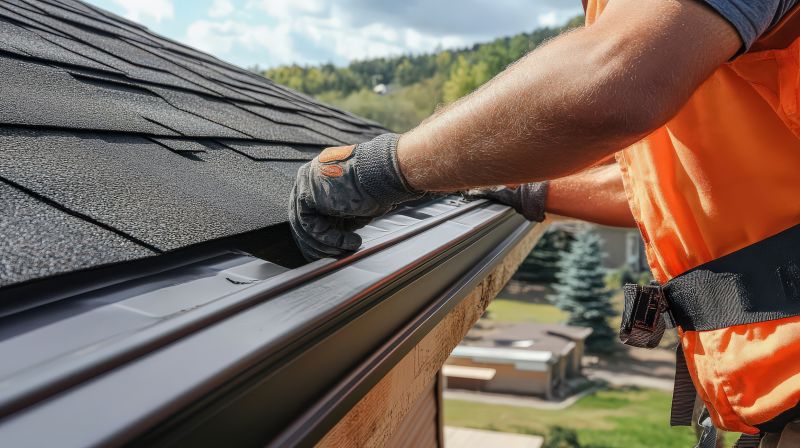
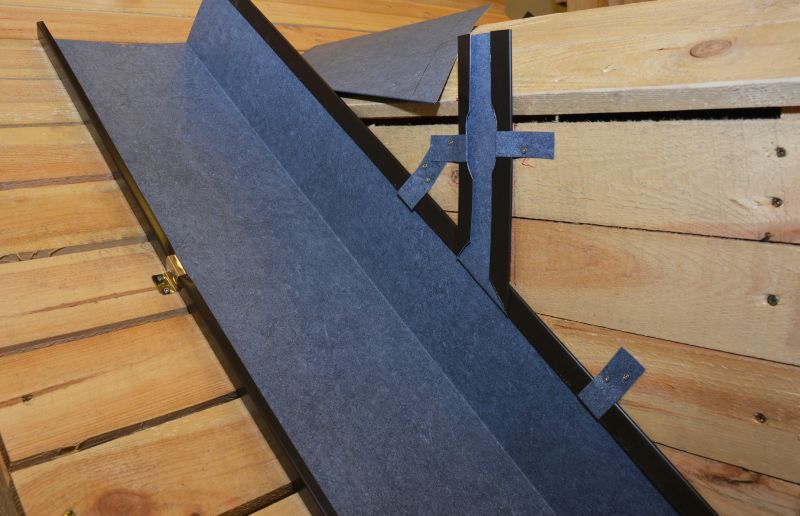
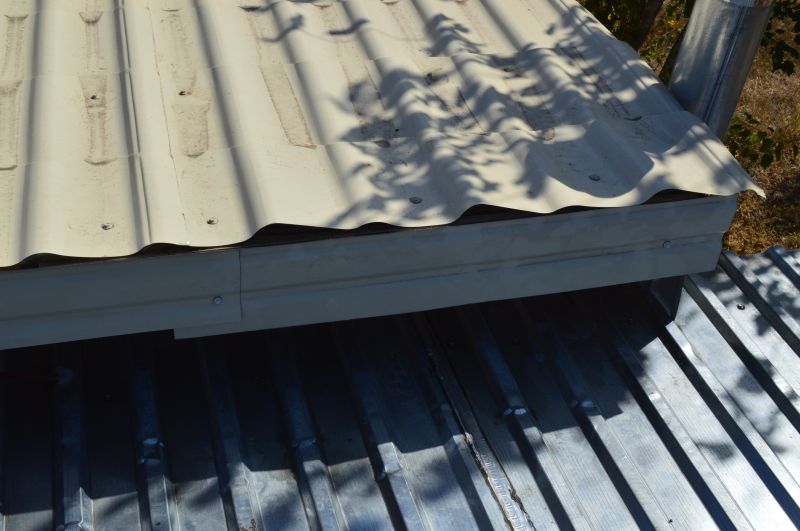
Roof flashing installation is a crucial process that involves placing metal strips or barriers around vulnerable areas of a roof to prevent water intrusion. These metal components are carefully installed at joints, chimneys, vents, skylights, and roof edges to create a waterproof seal. Proper installation ensures that rain, snow, and other moisture do not seep into the roof structure, helping to protect the interior of the property from water damage and mold growth. Skilled local contractors understand how to fit flashing precisely, ensuring a tight, durable barrier that maintains the roof’s integrity over time.
Many common roofing problems are related to inadequate or damaged flashing. When flashing is improperly installed, cracked, or corroded, it can lead to leaks that cause water stains on ceilings, damaged insulation, and even structural issues if left unaddressed. Flashing also helps prevent drafts and heat loss, contributing to energy efficiency. Homeowners who notice signs of water infiltration, such as damp ceilings or peeling paint around roof joints, may need to have their flashing inspected or replaced. Regular maintenance and timely repairs by experienced service providers can help avoid costly damage and extend the life of a roof.
Roof flashing installation is often necessary for a variety of property types, including single-family homes, multi-unit residential buildings, commercial structures, and even some industrial facilities. Any property with a pitched or flat roof that features joints, protrusions, or roof penetrations can benefit from properly installed flashing. For homeowners planning a roof replacement or renovation, adding or upgrading flashing can be an important step in ensuring the roof remains weather-tight. Local contractors can evaluate the specific needs of each property and recommend the appropriate flashing materials and installation techniques.
Homeowners should consider roof flashing installation services when they experience or anticipate issues related to water leaks, especially around chimneys, vents, or skylights. It is also advisable to have flashing inspected during routine roof maintenance or after severe weather events. Properly installed flashing not only helps prevent water damage but also contributes to the overall durability and performance of the roof. Connecting with experienced local service providers can ensure that the flashing is installed correctly and maintained over time, providing long-term protection for the property.
The overview below groups typical Roof Flashing Installation projects into broad ranges so you can see how smaller, mid-sized, and larger jobs often compare in your area.
In many markets, a large share of routine jobs stays in the lower and middle ranges, while only a smaller percentage of projects moves into the highest bands when the work is more complex or site conditions are harder than average.
Smaller Repairs - Typical costs for minor roof flashing repairs generally range from $250 to $600. Many routine fixes fall within this middle range, depending on the extent of the damage and materials used.
Partial Flashing Replacement - Replacing sections of roof flashing usually costs between $600 and $1,500. Larger, more complex projects can push beyond this range, but most jobs in this category remain within these limits.
Full Roof Flashing Replacement - Complete replacement of roof flashing often costs $2,500 to $5,000 or more. While some high-end or intricate installations can be higher, many service providers offer work within this typical range.
Complex or Custom Projects - Large or custom roof flashing projects can exceed $5,000, especially for unique roof designs or difficult access. These cases are less common and usually involve specialized materials or extensive labor.
Actual totals will depend on details like access to the work area, the scope of the project, and the materials selected, so use these as general starting points rather than exact figures.
Chimney Flashing Installation - this project involves installing or repairing flashing around chimneys to prevent leaks, requiring similar skills in waterproofing and precise sealing as roof flashing.
Valley and Gutter Flashing - installing flashing in roof valleys and gutters to direct water away from the roof structure involves planning and skill comparable to roof flashing work.
Skylight Flashing Installation - sealing around skylights to prevent water intrusion demands careful planning and use of similar tools as roof flashing services.
Dormer Flashing Projects - installing or repairing flashing on dormers requires similar attention to detail and waterproofing techniques as roof flashing installation.
Roof Edge and Eave Flashing - applying flashing along roof edges and eaves to protect vulnerable areas involves skills akin to those used in roof flashing services.
Storm Damage Roof Repairs - repairing leaks and replacing damaged flashing after storms involves similar planning and waterproofing skills as new roof flashing installations.
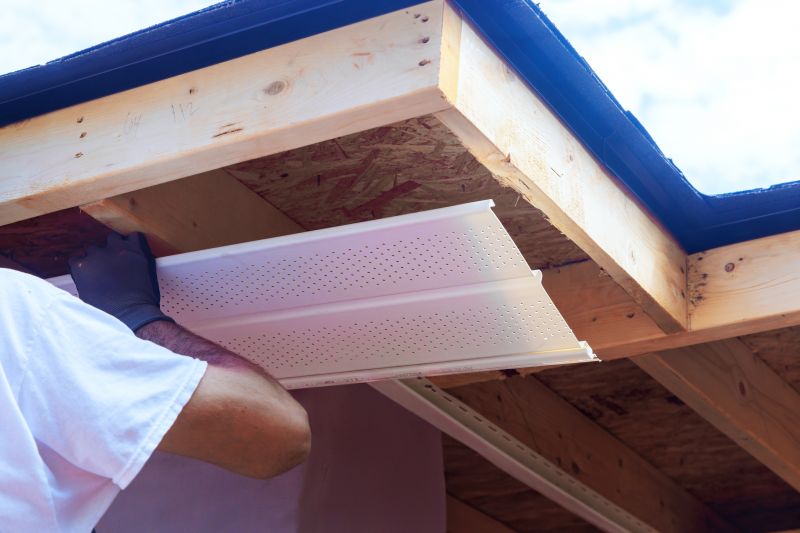
When evaluating potential service providers for roof flashing installation, it’s important to consider their experience with similar projects. Homeowners should seek out local contractors who have a proven track record of handling roof flashing tasks comparable in scope and complexity to the work needed. Asking about past projects or requesting examples of completed work can help determine if a contractor has the necessary expertise to deliver quality results. An experienced professional is more likely to understand the nuances of different roofing systems and to anticipate potential challenges, leading to a smoother installation process.
Clear, written expectations are essential to ensure everyone is aligned on the scope of work, materials, and responsibilities. Homeowners should look for local pros who provide detailed estimates or proposals that outline the specific tasks involved, the materials to be used, and the project timeline. Having these expectations documented helps prevent misunderstandings and provides a basis for comparison among different service providers. It also demonstrates professionalism and transparency, which are valuable qualities when selecting a contractor for such an important part of the roofing system.
Reputable references and good communication are key factors in choosing a reliable contractor. Homeowners are encouraged to ask potential local pros for references from previous clients or to verify their reputation through reviews or testimonials. Effective communication during the initial stages can also reveal how well a contractor listens to questions, explains options, and responds to concerns. A contractor who communicates clearly and promptly is more likely to provide a smooth experience and to address any issues that may arise during the project. Overall, these qualities contribute to a more confident and informed decision when selecting a professional for roof flashing installation.
Property owners use Roof Flashing Installation services for practical projects around their homes and businesses. This guide focuses on everyday jobs and straightforward project options.


Roof flashing installation is a common project for property owners dealing with leaks, drafts, or visible damage around roof joints and chimneys. Over time, weather exposure can cause flashing to deteriorate or shift, leading to water intrusion and potential structural issues. Local contractors are often called upon to replace or repair flashing to help maintain the integrity of the roof and prevent further damage, especially after storms or heavy rainfall.
Homeowners may also seek flashing services when constructing a new roof or making significant upgrades to their property. Properly installed flashing ensures water is directed away from vulnerable areas, reducing the risk of leaks and water damage. Local service providers are available to handle these projects, offering solutions that help protect the building’s structure and improve its overall durability.
What is roof flashing installation? Roof flashing installation involves adding or repairing metal barriers around roof features to prevent water from seeping into the structure.
Why is proper roof flashing important? Proper roof flashing helps direct water away from vulnerable areas, reducing the risk of leaks and water damage.
What types of roof flashing are commonly installed? Common types include step flashing, continuous flashing, and pipe flashing, each suited for different roof features.
How do local contractors ensure correct roof flashing installation? They assess the roof, select appropriate flashing materials, and install them following best practices to ensure durability and effectiveness.
Can roof flashing be integrated with other roofing components? Yes, roof flashing is often installed alongside shingles, vents, and other roofing elements to provide comprehensive protection.
Prevent Water Damage - Proper roof flashing installation helps direct rainwater away from vulnerable areas, protecting the interior of a property.
Improve Roof Durability - Skilled contractors can install high-quality flashing to extend the lifespan of roofing components.
Address Leaks and Drips - Local service providers can identify and fix flashing issues that cause water infiltration inside the building.
Enhance Roof Performance - Properly installed flashing ensures the roof functions effectively during heavy weather conditions.
If you are thinking about Roof Flashing Installation for a property, this guide is meant to help you understand the work, the typical project types, and how different options might fit your plans.
When you are ready, you can use the quote form on this page to share a few details about your project. From there, local pros can review the basics and respond with options that match what you have in mind.